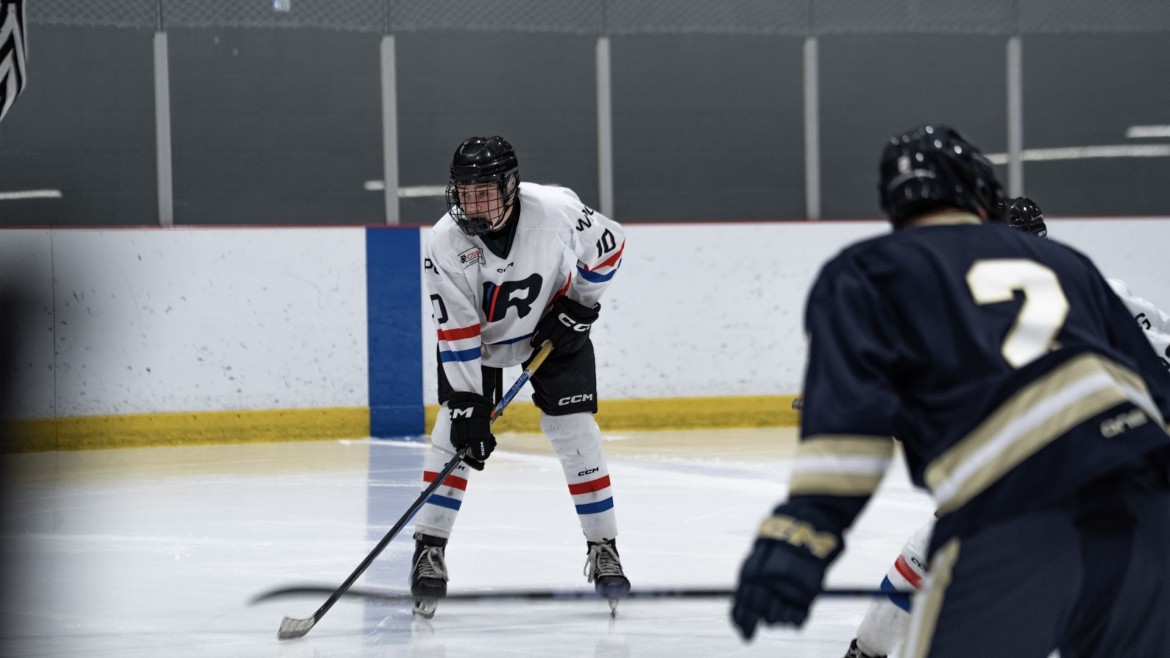
At the RINK, development rarely announces itself all at once. It doesn't arrive with a breakout weekend or a sudden spike in attention. More often, it shows up quietly — in routines repeated, expectations met and habits built over time. For those who stay long enough, progress compounds.
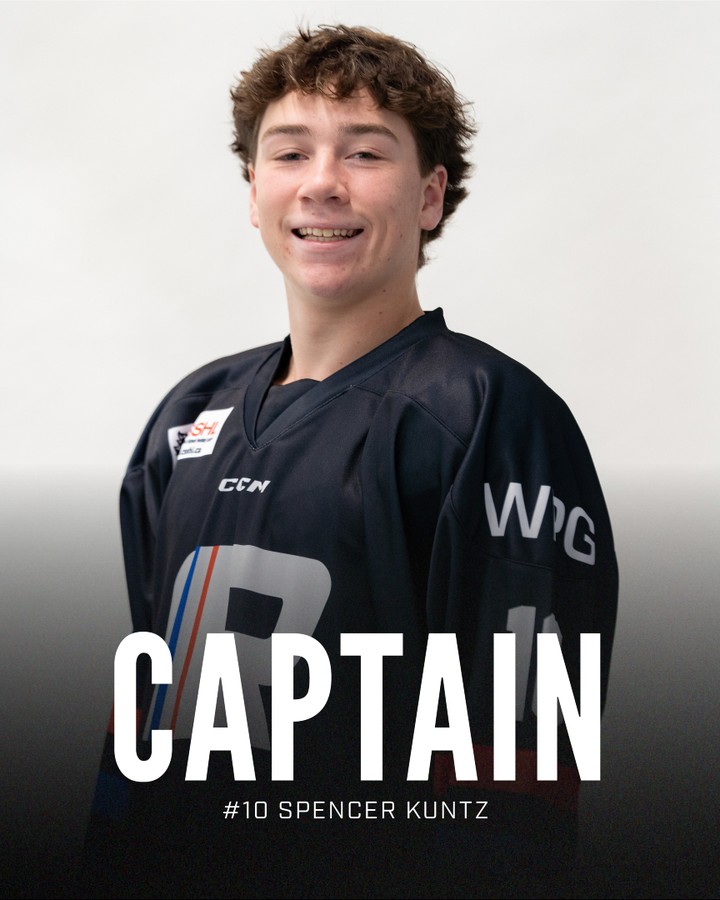
Sixteen-year-old Spencer Kuntz is one of those athletes.
From U15 Prep to U18 Captain: A Three-Season Arc
Now in his third year with RINK Hockey Academy, the U18 Prep captain's path has followed a steady, intentional arc: U15 Prep, U17 Prep, and now U18 Prep — each season building on the last. It's not a story defined by God-given talent or skill, but rather patience, practice and trust in the process.
When RINK U18 Prep head coach Rob Smith looks back to Kuntz's arrival, he doesn't recall immediate impact. He remembers intent. Kuntz was a late addition during his U15 Prep year, a player the staff had identified and wanted, even if the timing took some work.
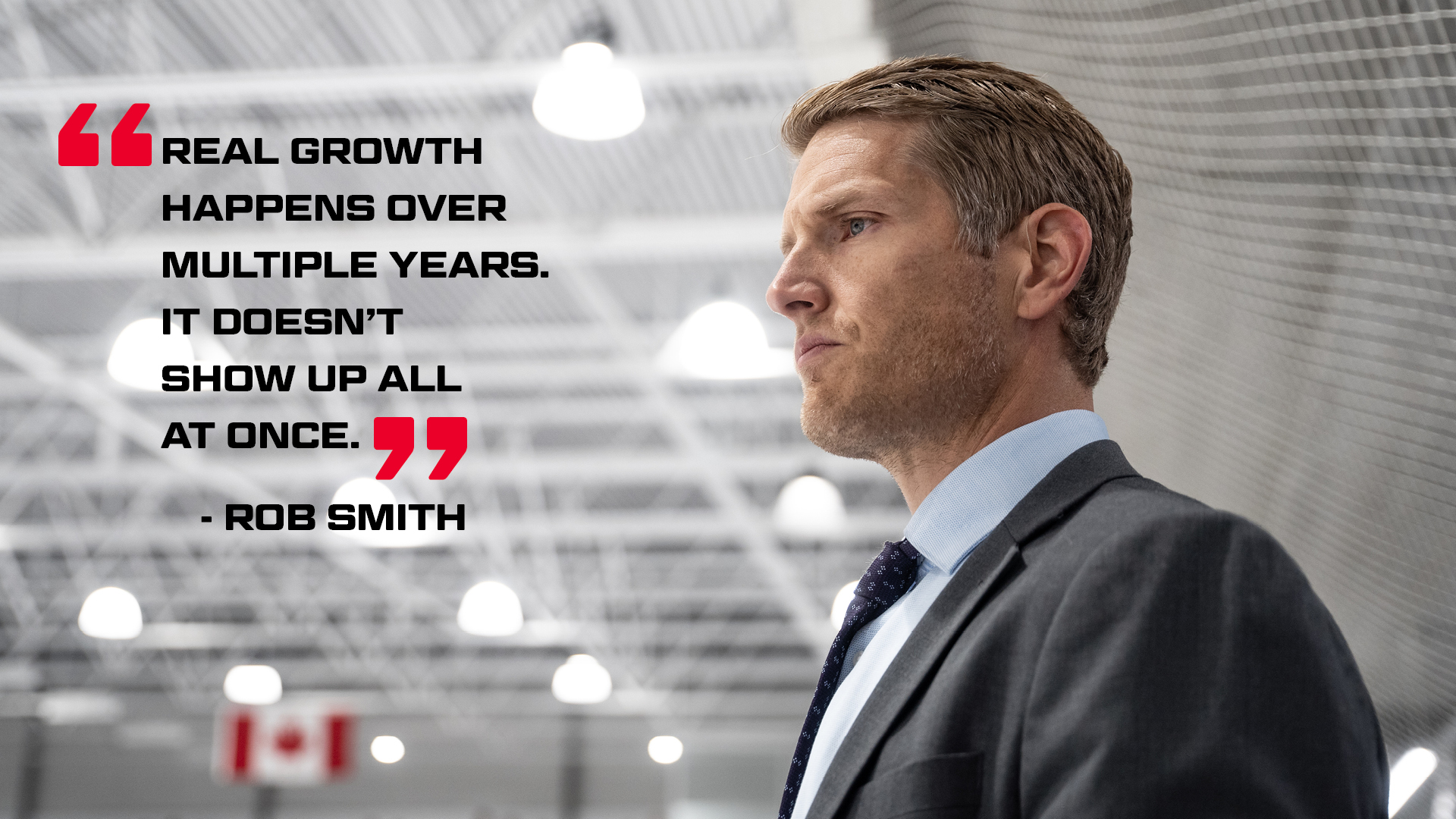
"There was a lot of belief in him early," Smith told Game On. "We wanted him here, and once he arrived, the goal was never short-term results. It was about giving him time."
The RINK Model: Structure Over Shortcuts
Time is part of the RINK model. Rather than chasing immediate outcomes, the program emphasizes structure — academically, physically, and on the ice — knowing real growth takes time. Kuntz's family bought into that early, committing not just to hockey development, but to stability and education as well.
That continuity proved critical. The six-foot-one, 180-pound defenceman didn't bounce between programs or reset his environment. Instead, he stayed, trained and allowed development to unfold naturally. Over three seasons, his role expanded. His confidence grew and his understanding of the game deepened.
"Nothing happens right away," Kuntz said. "The development here is amazing, but it takes time. You have to be patient and trust what the coaches are building."
What Coaches See: The Evolution Up Close
From a hockey standpoint, Kuntz's assistant coach Evan Kaufman has seen that evolution up close. Early on, Kaufman recalls flashes of vision — moments where Kuntz saw the ice well, but hadn't yet put all the pieces together. Fast forward to today, and the picture is much clearer.
"He's become a puck-moving defenceman who can really see the ice," Kaufman shared. "He's good on the power play, makes a strong first pass, and knows when to engage and when to pull out. He's much more well-rounded now."
That maturation didn't come from shortcuts. It came from daily repetitions — many of which at the RINK. Kaufman points to routine as a defining factor in Kuntz's development. Gym sessions started on time, with extra reps built into daily habits. Video wasn't something done passively — Kuntz asked for it, sought feedback, and wanted to understand where he could improve. Those tools were always available at RINK. What has separated Kuntz is his willingness to use them.
"All the resources are there," Kaufman said. "But it's the athlete who has to demand them."
Ownership, Maturity and the Habits Behind the Results
That mindset — ownership over one's own development — is something RINK places a premium on, particularly as players move through the program. By the time athletes reach U18 Prep, the expectation is not just performance, but maturity.
"I never really thought about sleep the way I do now," the U18 Prep team captain said. "Getting to bed at the same time every night changed how I felt every day."
Smith describes the Winnipeg product as someone he actively seeks input from — not just about his own game, but about the team as a whole. That awareness, uncommon for a player his age, helped lay the foundation for leadership long before a letter was stitched onto his jersey.
Earning the 'C': Leadership That Came From Within
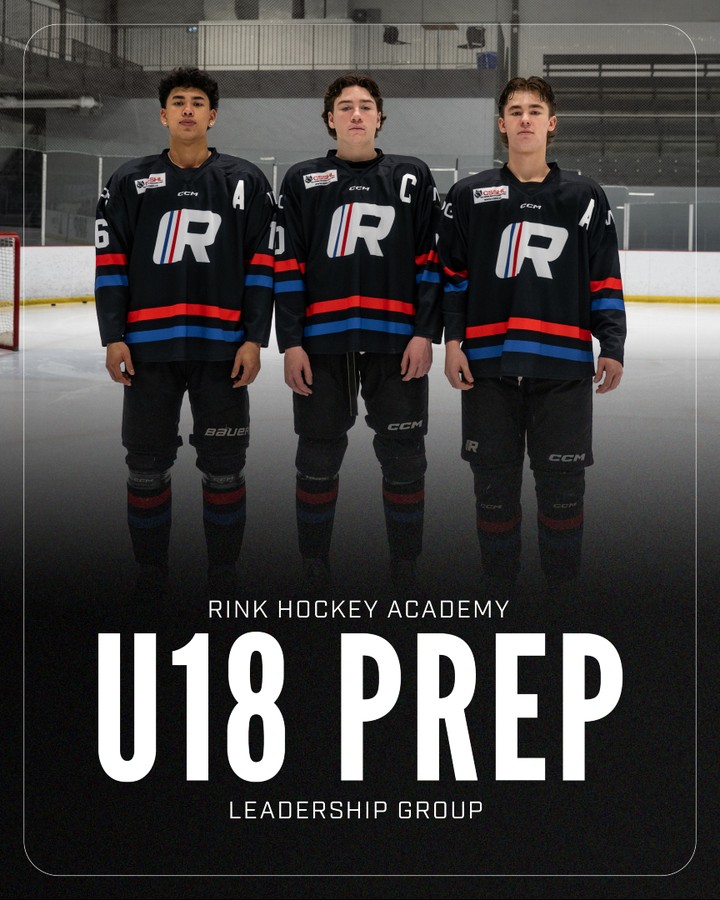
When the time came to name a captain, the decision was straightforward; the vote was nearly unanimous. Both players and coaches saw the same thing: consistency, accountability, and a willingness to lead by example. But leadership, in Kuntz's case, wasn't performative. It showed itself in moments that mattered.
During a difficult stretch earlier this season, when results weren't going the team's way, the right-shooting blueliner called a players-only meeting. It wasn't prompted by the coaching staff. It came from within.
"That's not easy for a 17-year-old," Smith said. "But he recognized that the group needed accountability from itself. That's real leadership."
Those moments — unseen from the outside — are often the clearest indicators of growth. They also reinforce the larger lesson behind Kuntz's story: development is rarely linear, and it's never instant. Smith is candid about the challenges families face when entering an elite environment like RINK.
"We want things fast," he said. "Quick results, quick fixes. But real development doesn't work that way. At RINK, the expectation is that meaningful progress takes two to three years."
Trusting the Process: What Long-Term Development Really Looks Like
The transition — balancing travel, academics, training, and competition — can be demanding. Without patience, it's easy to leave before the foundation has a chance to settle.
Kuntz stayed. He trusted the process. His family trusted it too. And over time, the return became evident — not just in his on-ice performance, but in his leadership, maturity, and understanding of what it means to be a student-athlete. And along the way he was selected in the sixth round of the WHL Prospects Draft to the Saskatoon Blades.
The Numbers That Back It Up
Last season, as a 15-turning-16-year-old player for the U17 Prep team, Kuntz had three goals, 34 points and 58 penalty minutes as a defenceman operating at over a point-per-game rate. The year before was nothing different. So far this season, he has eight goals, 27 points and 86 penalty minutes in 33 outings.
Smith refers to Kuntz as a "classic case" of the model working as intended. Not because everything came easily, but because nothing was rushed. That message resonates beyond one player.
The Bigger Picture: A Program Built for the Long Game
Kuntz's path offers a clear example of what long-term development looks like when patience meets structure. It's a reminder that the biggest gains often happen quietly, year over year, long before they're obvious to outsiders. Today, Kuntz wears the captain's 'C' for RINK U18 Prep. But the letter matters far less than the journey that earned it. And at RINK, that's the main point.
"Nothing's going to happen right away," Kuntz said. "It's a journey that takes time; you just have to be patient and trust the process."