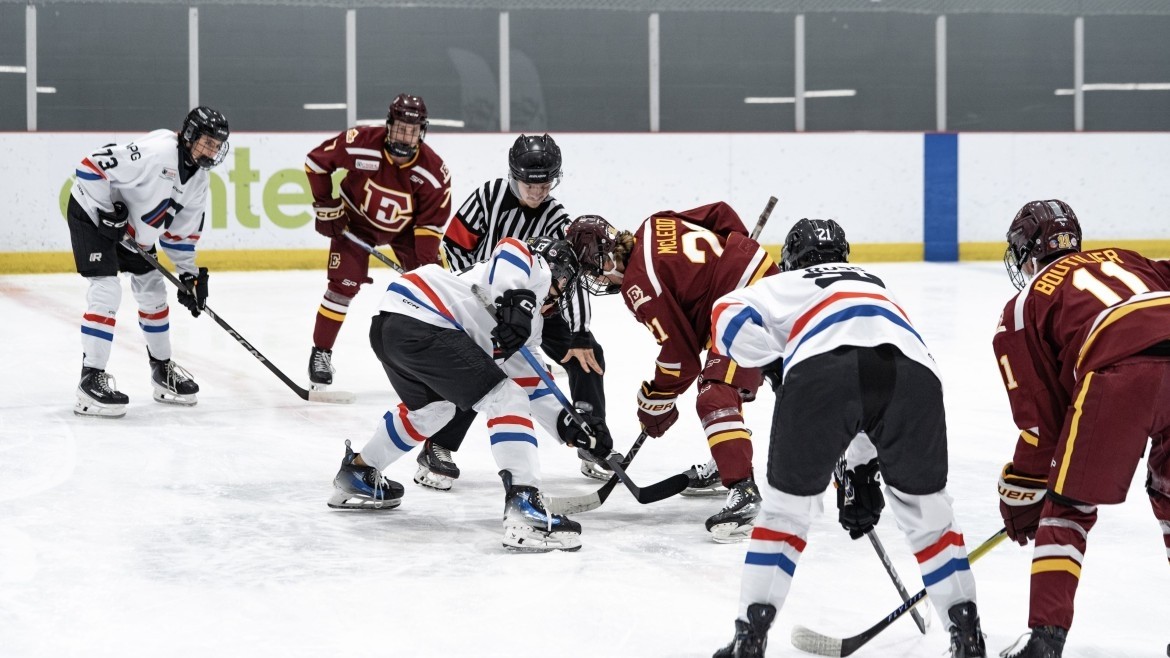
Three linemates. Three top-five finishes in regular season league scoring. Three more in the playoffs. For RINK Hockey Academy's U17 Prep team, the production of Colton Ross, Brady Filmon and Markus Knaub wasn't just impressive, it was extremely rare.
But for head coach Ian Duval, the numbers only scratched the surface of what made the trio so effective.
"They really played well together and shared the puck," Duval told Game On. "Their ability and consistency just took over in the second half. I think they were arguably the best line within our league this year. Early on, you're trying to learn your linemates and understand their tendencies, but once that chemistry came, they really took off."
Built Over Time, Not Overnight
That level of success didn't come overnight. Early in the season, the trio was still adjusting to the pace of the U17 Prep division, to one another and to the demands of a highly competitive league.
Duval and his staff rotated combinations through the first half, managing injuries and searching for the right fit. But even then, there were signs.
"Early in the season, I kind of had an idea that they would be together," Duval shared. "We mixed lines a bit and they weren't always together, but by the end of the first half and into the second half, we solidified that group. From there, they just took off and were pretty dynamic as a line."
Three Players, Three Distinct Elements
Each player brought a distinct element to the group.
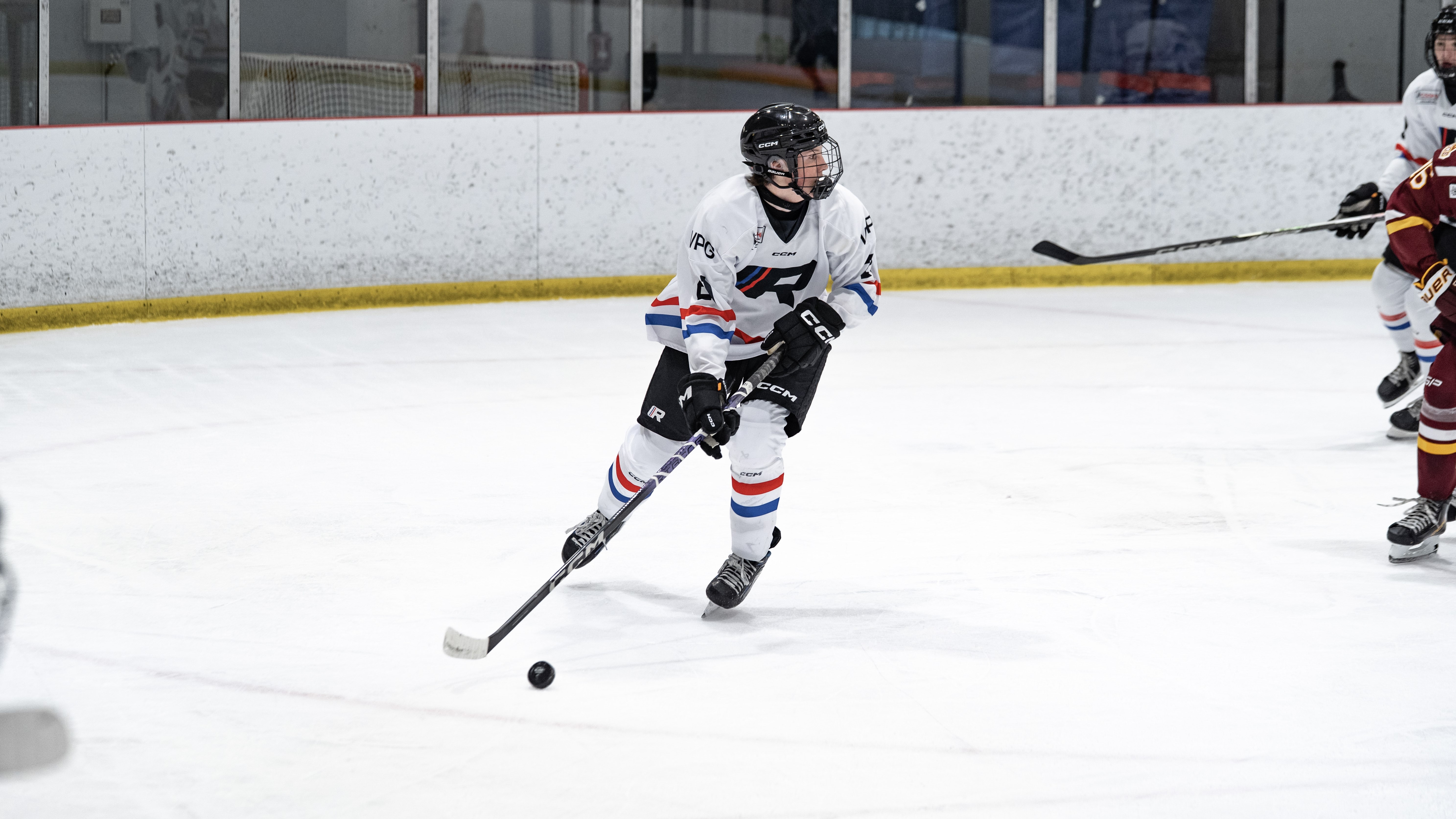
Filmon, a six-foot-two, 155-pound playmaker, blended high-end skill with creativity, capable of beating defenders one-on-one and making plays in tight spaces. Knaub, a five-foot-11, 175-pound centre, entered the season as a reliable 200-foot player and quickly expanded his offensive game, building confidence as the year progressed. Ross, a six-foot, 160-pound goal scorer, rounded out the line as a natural finisher, with a knack for scoring in a variety of ways and capitalizing on chances around the net.
Together, their skillsets meshed. But it was what they did away from the puck that elevated them.
"The biggest thing for all three of them was their habits without the puck," Duval said. "Pushing them to compete as hard as they can, getting them more puck touches, that's when they can make plays. You've got to give them the freedom to do that, but they also have to play the game the right way. I think that was the biggest area of growth for all three of them this year."
Instant Chemistry, Consistent Execution
And for the players themselves, the chemistry was immediate.
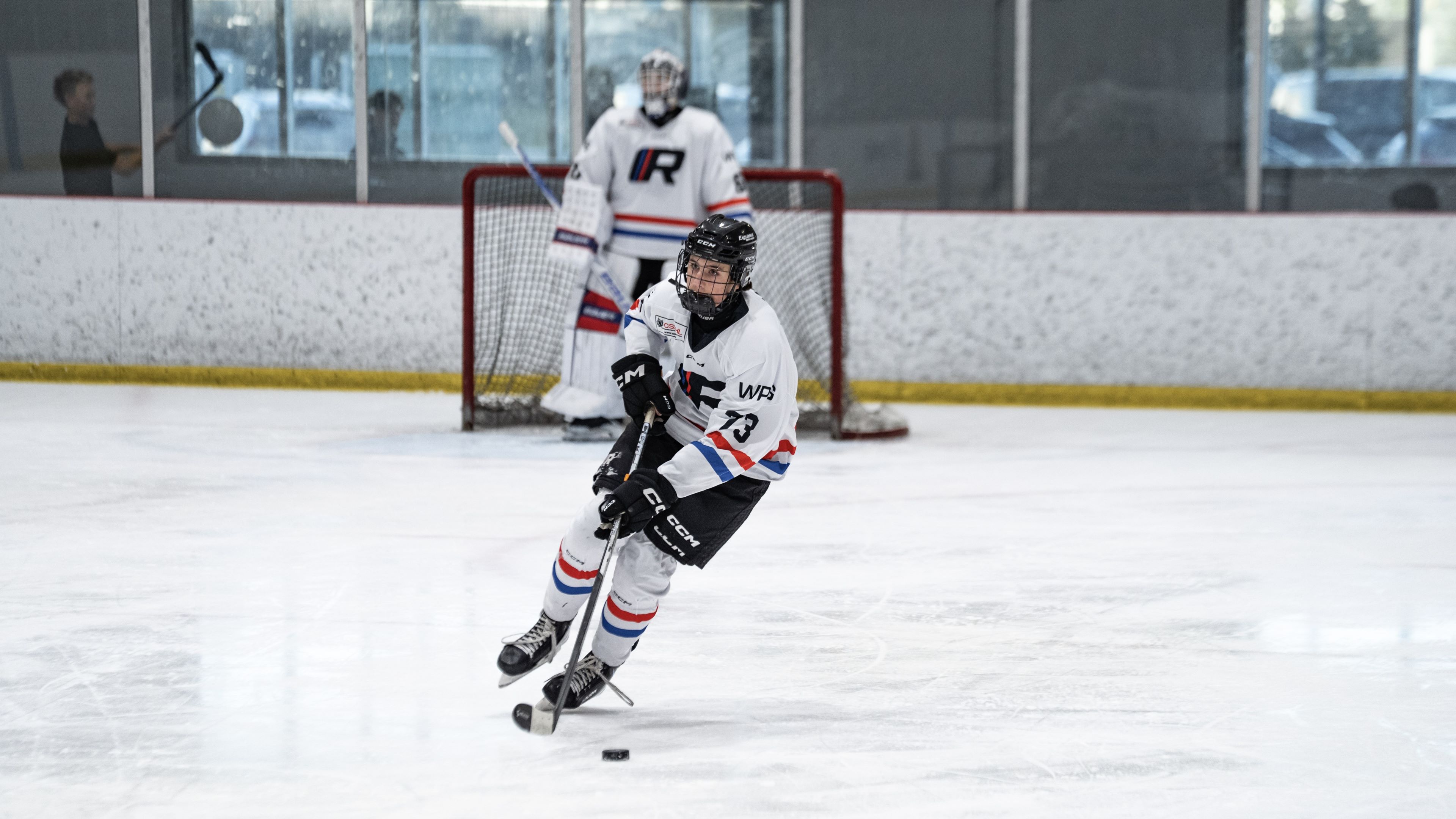
"The three of us were put together a month or two into the season and we instantly clicked," said Ross. "We all move the puck well, create space and find each other. We had similar roles — we could all score and make plays — and we used our speed to create chances. Brady and Markus were unbelievable playmakers, and Markus won a lot of key draws to get us possession."
That connection seemed to only strengthen as the season carried on.
"I think we were so successful because of our work ethic and practice habits, especially in the second half," said Filmon. "Once we clicked, we never really lost that groove. We all brought different attributes that worked well together, and we wanted the best for each other as teammates."
"We stayed positive and lifted each other up," said Knaub. "We trusted each other and worked to play to each other's strengths. That's what helped us succeed as a line."
Production Was the Byproduct, Not the Goal
While the results were undeniable, Duval emphasized that production was never the primary focus within the program.
"We stress to our players that points isn't the only important thing," he said. "It's your work habits, competing on a consistent basis and playing within structure. Those are the habits and details you need to get to the next level. When you move up, you might not be in a top-six role right away, so having those habits, competing for pucks, working hard and being reliable defensively, that's what helps in that transition."
In that sense, the trio's success was less about numbers and more about how they played. Their ability to compete, make quick decisions and trust one another created the foundation for everything that followed. The offence was quite simply the byproduct.
Next Level Recognition
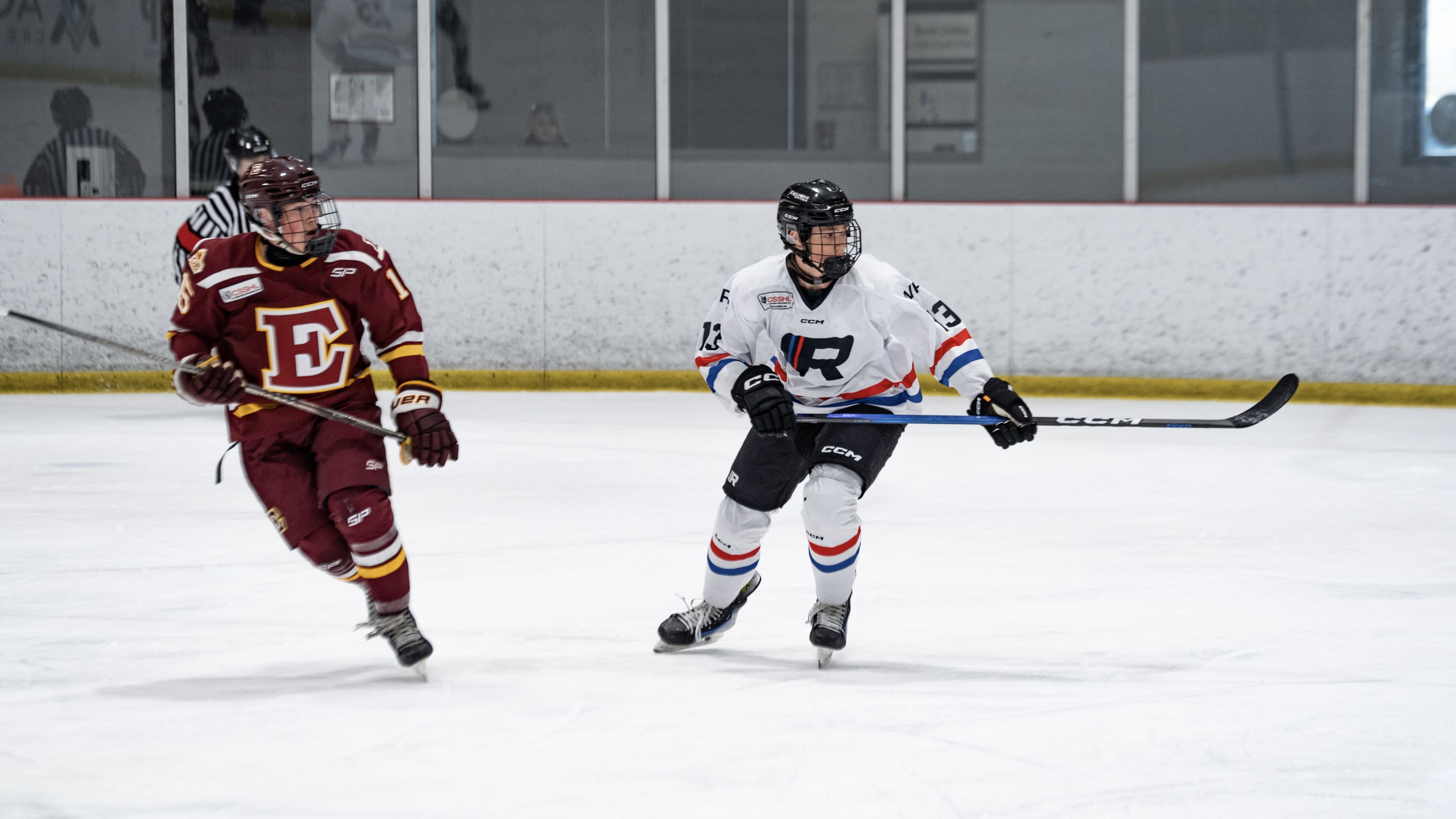
That approach also helped the players navigate a season that included growing attention at the next level. Ross was listed by the Edmonton Oil Kings, while Knaub earned recognition from the Penticton Vees. Filmon had previously been selected by Prince Albert in the WHL Bantam Draft.
Despite the added spotlight, their focus remained steady.
"I think all three of them want to get better on a day-to-day basis," said Duval. "That's the biggest thing for development — just showing up, putting in the work and being consistent. From the start of the season to the end, they showed a lot of growth."
A Reflection of the RINK Philosophy
That growth extended beyond individual improvement. From the opening weeks through the playoffs, the trio evolved into one of the most productive and reliable lines in the league. And it wasn't because of a single stretch of games, but rather from the habits they had built over time.
It's a reflection of the broader philosophy within the RINK program, where development is measured over the long term.
"You've just got to understand that it's a process," the coach said. "It's baby steps. It's not going to happen right away. Some players are at different stages, but if you put the work in, stay consistent and have that drive to get better, that's when you see real development."
For Ross, Filmon and Knaub, that message resonated and did so loudly. What began as a promising combination evolved into one of the most dominant lines in the CSSHL — built on a daily commitment to improvement.
"It is a process," Duval said. "It's just being patient with it and believing in your abilities and putting the work in."