Long before RINK Hockey Academy sent players off to major junior, college and professional hockey, before 57 South Landing became its home and before hundreds of families wore the familiar R on their chest, there was an idea. Nearly two decades ago, a small group that included Brad and the late Tyler Rice, Tina Jones, former NHLer Mike Keane, Ryan Cyr, and Jon Cara began laying the groundwork for what would become The RINK.
The concept was relatively simple. Give young hockey players access to professional instruction and specialized development in smaller groups, beginning with a three-on-three ice surface and eventually expanding into individualized goalie and player training.
"We kind of felt that we could create our own little niche with small groups and professional instruction," Cara told Game On. "This was years before every NHL team and everybody under the sun was calling themselves a development coach."
Keeping Manitoba Players Home
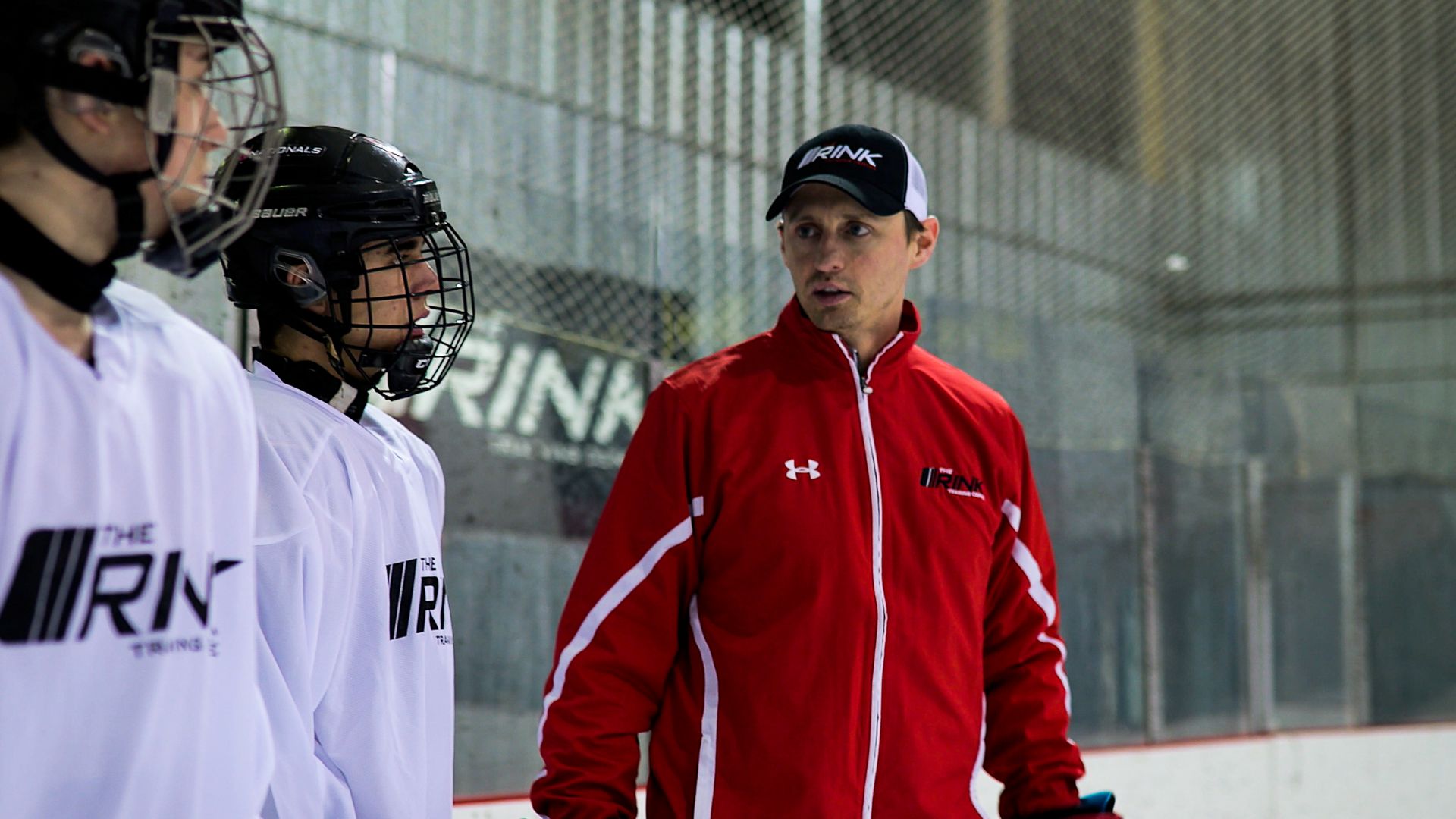
But as The RINK grew, those involved began noticing another trend. Talented Manitoba players were leaving home at 14 and 15 years old to attend hockey academies elsewhere in Western Canada. The question became: Why couldn't they just stick around and do that here?
"We wanted to keep more of those players in the province and have them have the opportunity to play and not have to leave home," Cara shared. "We could separate ourselves by providing this step-by-step development model."
That idea eventually became RINK Hockey Academy. Getting it off the ground, however, required considerably more than putting a team on the ice.
Selling a Program That Didn't Exist Yet
Brad Purdie remembers spending the year before RHA's first game working through approvals with Hockey Manitoba, Hockey Canada and the Canadian Sport School Hockey League, while trying to convince families to take a chance on something completely new.
"There was a lot of convincing to do with players you're trying to recruit – a lot of it was the fear of the unknown," Purdie said of the brand new program.
Rob Smith remembers that uncertainty particularly well. After coaching with the great Paul Dyck and the Steinbach Pistons, Smith joined RHA in April 2016. Almost immediately, Cyr handed him a rather daunting assignment: build a team from the ground up. Six weeks. Roughly 19 players. And no alumni, track record or previous season to point toward.
"You're selling a program that no one's ever been to," Smith laughed. His first recruit was Jesse Mistelbacher, of La Broquerie. Smith met Mistelbacher and his family at Coffee Culture in Steinbach, landed his first commitment and slowly watched the pieces begin falling into place.
An Awkward 14-Year-Old Named Seth Jarvis
Among those early players was a rather awkward 14-year-old named Seth Jarvis. Years later, Jarvis has become one of the NHL's most recognizable personalities and, this past June, the first RHA alumnus to lift the Stanley Cup. For Purdie, seeing Jarvis raise hockey's greatest prize was "the cherry on top." But what happened when the Cup came home meant almost as much. Former teammates and families who hadn't seen one another in years reunited to celebrate with Jarvis and his family.
"Ten years of doing this, obviously the Stanley Cup's an outcome," Cara said. "But just the amount that those families have stayed close and stayed in touch and the connection they had from being a part of our program was super cool to see."
Relationships as the Real Measure
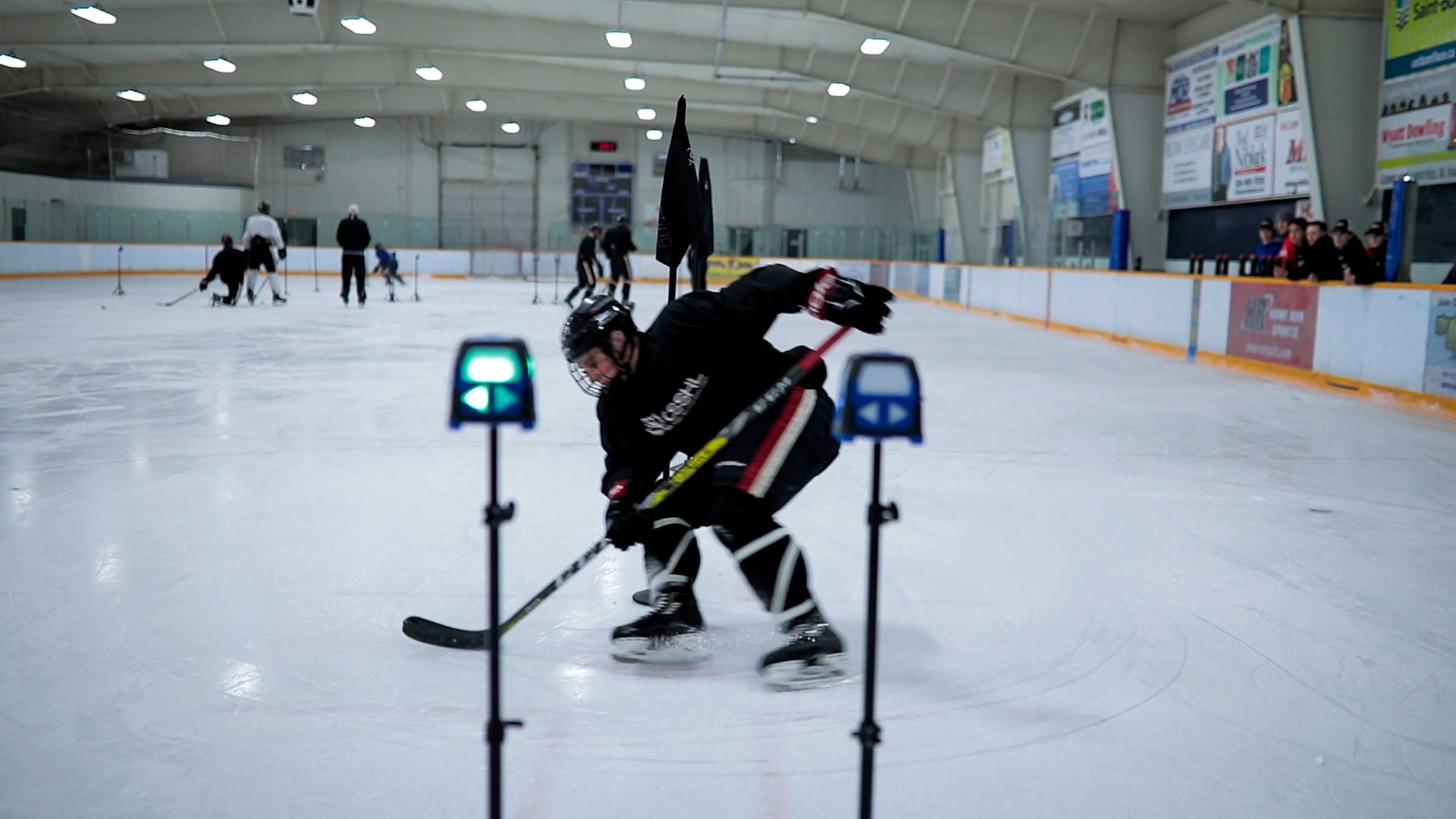
Those relationships are among the greatest measures of success for the coaches who helped build the program. Smith now sees former players entering business, university and careers. Some have even returned to The RINK itself. Ethan Alsip works within the organization, while Evan Kaufman, a player on RHA's first team, now coaches alongside Smith.
"Hockey ends for us all at some point," Smith said. "But you have a relationship or a friendship or somebody that you've gained from this program."
From 91 Lowson to 57 South Landing
The surroundings have certainly changed, too. At the old 91 Lowson Crescent facility, RHA operated without a full-sized sheet of ice. Coaches packed equipment into vans and travelled to Southdale for practices. Players stored gear in portable units behind the building and trained in a considerably smaller gym.
"How we ever got anything done over there was kind of mind boggling," Purdie chuckled. Today, 57 South Landing offers virtually everything under one roof. Players can practice, train, store equipment, have laundry done and skates sharpened without leaving the facility. Strength and conditioning staff can communicate directly with coaches about injuries, workload and fatigue, allowing on-ice sessions to be adjusted accordingly.
"It's the one-stop shop," Cara said. "Having all of that in one area is so simplified and benefits the players so much."
Growth of the Model
The Winnipeg academy has grown from two teams to six, while another seven operate in Kelowna. The development model now stretches down to younger ages, creating pathways that weren't imaginable in those earliest days.
Cara points to Matthew Gard as perhaps the purest example. Gard first arrived at The RINK through learn-to-skate programming before progressing through the academy system and eventually reaching the professional ranks. Yet ask the coaches what they're proudest of and the conversation inevitably drifts away from draft positions and hockey resumes.
Making Good People
Smith remembers parents approaching him after seasons and marveling at how much their children had matured. Players learned about nutrition, time management and communication. They volunteered in the community, became more independent and formed friendships that have endured long after leaving the academy. Purdie sees the same thing.
"We've made some pretty good people," he said. "We taught them how to be good people, good friends, good teammates, all that stuff. And they're going to carry that with them wherever they go, whatever profession they choose."
Where the Model Goes Next
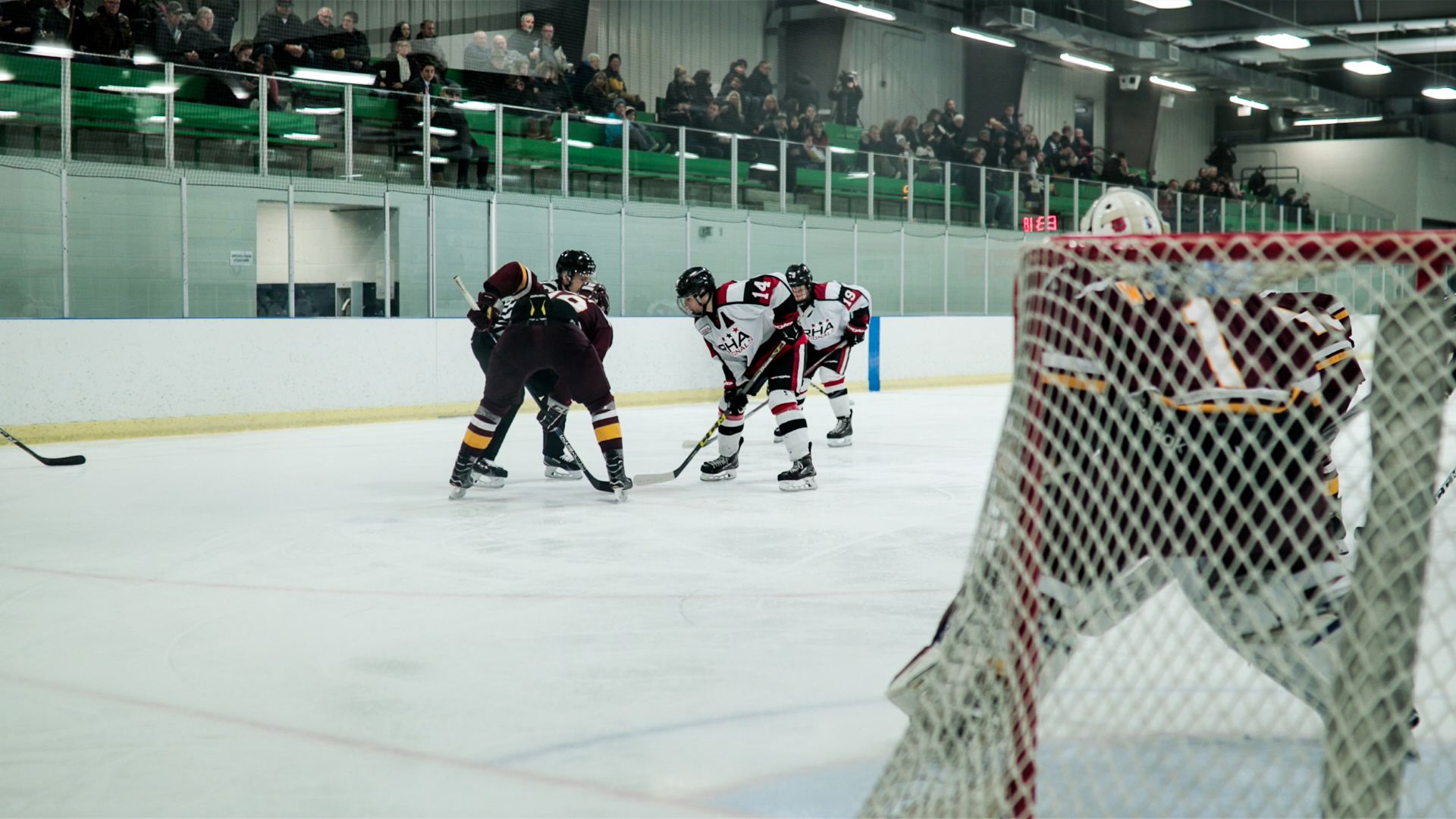
Seventeen years after a small group began imagining what hockey development could look like in Manitoba, Cara admits he never envisioned where that idea would lead. Now, as RINK Hockey Academy celebrates 10 seasons of developing young athletes, its Winnipeg facility is nearing capacity and the organization is considering where its development model could travel next. Predicting another decade seems almost impossible. After all, nobody predicted this one.
"It just started with a dream," Cara said. "I would have never expected us to be at this level."
What began as an opportunity to give Manitoba players somewhere to develop close to home has become something considerably larger. And perhaps the greatest evidence of how far RHA has come isn't hanging from the rafters or written on a player's Elite Prospects stats page. It's in the former players who keep walking back in through the doors.